
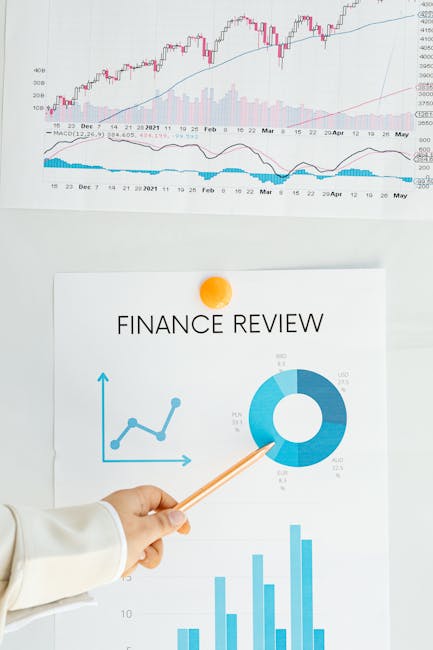
Your Numbers Are A Mirror, Not A Test
Stop thinking of your financial statements as a pass-fail exam. When you apply for funding, you aren't just submitting PDFs; you are revealing your business’s DNA. Lenders look past the bottom line to find the rhythm of your operations. Do you have seasonal lulls you haven't accounted for? Do you have recurring revenue that signals stability, or is every sale a fight? Your statements reveal how you handle the quiet, often terrifying moments between the big wins.
The Counterintuitive Truth: Profit Isn't Everything
Here is the shocker most mentors won't tell you: A highly profitable company can look like a nightmare to a lender, while a break-even company can look like a dream. It comes down to cash flow visibility. If your profits are tied up in inventory that won't move or accounts receivable that stay overdue for 90 days, you are essentially illiquid. Lenders crave predictability, not just hypothetical wealth. They want to see that you understand the difference between 'making money' and 'having cash' to service debt.
What Lenders Are Secretly Evaluating
Every lender has a set of silent filters they apply to your paperwork. They want to see that you have skin in the game and, more importantly, that you know how to manage it. Consistency is your greatest asset. If your revenue fluctuates wildly without explanation, they don't see innovation; they see volatility. They look for:
- Debt-Service Coverage Ratio: Do you earn enough to pay for the loan comfortably?
- Asset Utilization: Are you squeezing every ounce of efficiency out of what you already own?
- Working Capital Trends: Is your liquidity growing alongside your revenue, or are you shrinking your safety net to fuel growth?
The Narrative of Your Balance Sheet
When you present your balance sheet, you are defining your risk profile. High debt isn't always a bad thing—unless it appears you've taken it on to cover operational losses. If you have significant debt, ensure your narrative accounts for it clearly. Show the lender the ROI of the money you borrowed previously. If they see that your debt fueled revenue-generating assets, they will trust you with more. If they see debt fueling lifestyle expenses or patching holes in a leaky ship, they will walk away.
Your Actionable Step for Today
Don't wait for a funding emergency to look at your books. Today, take thirty minutes to audit your 'Days Sales Outstanding.' Calculate how long it takes for your clients to actually pay you after you send an invoice. If that number is creeping up, you are effectively self-financing your customers' businesses instead of your own. Tightening your collection process will improve your balance sheet immediately, showing lenders that you are a business owner who respects cash flow. This one shift signals a level of sophistication that most of your competitors simply lack.
Owning Your Story
You have worked too hard to let a messy set of financial statements stand between you and your next phase of growth. Treat these documents with the same passion you bring to your product or service. When you understand the language of finance, you stop being a beggar asking for capital and start being a partner offering a sound investment. Take the time to align your numbers with your ambitions, and watch how the conversation with lenders changes from interrogation to negotiation.
At MannaFinancial.net, we believe that an educated borrower is a better borrower — and better borrowers build better businesses.